The best blog 8223
Bundling is more than a discount code on your bill. When you put your auto and homeowners policies with one carrier, you simplify decisions, coordinate coverage, and often pay less over time. With a company the size of State Farm, the appeal goes beyond price. You gain one point of contact, consistent underwriting logic, and a claims operation designed to move in sync when a storm or accident touches multiple parts of your life.
I have helped clients move from a patchwork of policies to bundled setups for years, and the feedback is consistent. People value seeing their coverages in one app, dealing with one claims department, and having a State Farm agent who knows the entire risk picture, not just a slice. They also like the savings. Still, bundling is not a blanket solution. The right answer depends on your location, your driving record, your roof age, even your tolerance for separate deductibles. The aim here is to show where the math and mechanics of a State Farm bundle tend to shine, and where a split approach can make sense.
What bundling actually does
Bundling your State Farm auto insurance and homeowners insurance means you place both policies with State Farm and qualify for a multi policy discount. On the auto side, the discount typically recognizes your additional relationship with the company, and on the homeowners side, the credit reflects the lowered acquisition cost and increased retention for the carrier. The size of the discount varies by state, underwriting tier, and policy details. In practice I see combined savings land anywhere between 5 and 25 percent of the two premiums, sometimes higher on home than on auto, but your numbers can differ.
The pricing piece is only half of it. Bundling aligns policy dates, consolidates billing, and gives your State Farm agent a clearer look at your overall exposure. That last point matters. When an agent sees your roof age, your dog breed, your teen driver, your backyard trampoline, and your daily commute in one system, the advice improves. The conversation shifts from a quick auto rate to a risk plan that lives and evolves with you.
Dollars and sense: how the discount plays out
I like to start with real numbers, even if they are simplified. Take a household paying 1,600 per year for a State Farm auto insurance policy that covers two cars, with liability limits of 250,000 per person and 500,000 per accident, and comprehensive and collision on both vehicles. Their separate homeowners insurance runs 2,200 per year for a single family home insured for 350,000 on a replacement cost basis with a 1 percent wind and hail deductible. If bundling yields a 10 percent auto discount and a 15 percent home discount, the combined savings sit around 532 per year. That is a comfortable return for shifting both policies to one place and letting a State Farm agent manage the cadence.
On higher value homes or where roofs are newer and risk scores come in strong, I have seen the homeowners side capture an outsized share of the savings. For example, a client in a moderate hail zone cut 420 off a 2,800 home premium after bundling, while the auto discount was only 90 on a 1,500 auto premium. The lesson is simple. Do not assume the auto discount is the star. In many states, home pricing swings more based on bundling and underwriting inputs like construction type, roof shape, and water loss history.
Why single carrier claims service matters when life gets messy
The day a windstorm knocks a limb across your car and tears shingles from your roof, you want one claims team coordinating both losses. Separate carriers can still handle their parts, but that adds calls, photos, adjusters, and the possibility of finger pointing if damage overlaps. With State Farm on both, you call one number or message through the app, upload the same photos, and a coordinated file moves through their system. You still have separate deductibles for home and auto in State farm auto insurance statefarm.com most cases, and you should confirm that point with your State Farm agent, yet the pace and clarity of a single carrier approach tend to reduce friction.
I have spent enough time on driveways with adjusters to say that paperwork flow matters. A coordinated carrier can schedule inspections together, keep the damage scope in one narrative, and use aligned vendor networks. On the auto side, State Farm works with preferred repair shops in many markets. On the home side, they maintain relationships with mitigation and roofing contractors. It is not about forcing you into a shop you do not want, it is about speed, consistency, and warranty structures that come with preferred networks. Bundling amplifies that effect because the same company is grading the whole situation.
Coverage coordination you actually feel
The other quiet advantage of bundling sits in how coverages knit together. Here are a few places where I routinely see improvements once auto and home live under the same roof.
Liability layering and umbrella placement. If you carry 250,000 or 500,000 auto liability and 300,000 on your home, you are a short step from an umbrella policy that provides an extra 1 to 5 million in protection. Umbrellas usually require both underlying policies to be with the same carrier and meet certain limits. With State Farm, an umbrella becomes straightforward once the base policies are aligned, and the pricing per million in coverage is often a pleasant surprise. The move turns a potential seven figure lawsuit from a personal crisis into a manageable claim.
Medical and guest coverages. I like to look at medical payments on auto, then guest medical on the home, then personal liability. Gaps show up when people shop the two policies years apart. Bundling pulls them into one conversation, so you do not end up with 1,000 med pay on auto and 10,000 guest medical on the home or vice versa without a reason.
Special limits and endorsements. Jewelry, bicycles, e-bikes, trading cards, musical instruments, and home offices live in the endorsements section. A State Farm agent can spot these quickly when the home is bundled with the auto. We can also line up rental car coverage on the auto with loss of use on the home, so displacement and transportation money do not work at cross purposes after a fire or major water loss.
Telematics and home protective devices. If you enroll in a safe driving program for auto, then add monitored smoke alarms or water shutoff tech at home, some carriers tie these signals together to strengthen discounts. The eligibility and amounts vary by state. Your State Farm agent can tell you which combinations move the needle where you live.
The local factor: why your state and street matter
Two identical homes can price differently if they sit ten miles apart and cross a wind or crime risk boundary. The same driver can pay more in a zip code with denser traffic and higher loss costs. State Farm files rates by state and tailors company tiers by territory. That is why an Insurance agency near me search is still practical in the age of online quotes. A local State Farm agent sees neighborhood level shifts, like a spike in catalytic converter theft on certain makes, or a wave of hail claims pulling deductible options around your town.
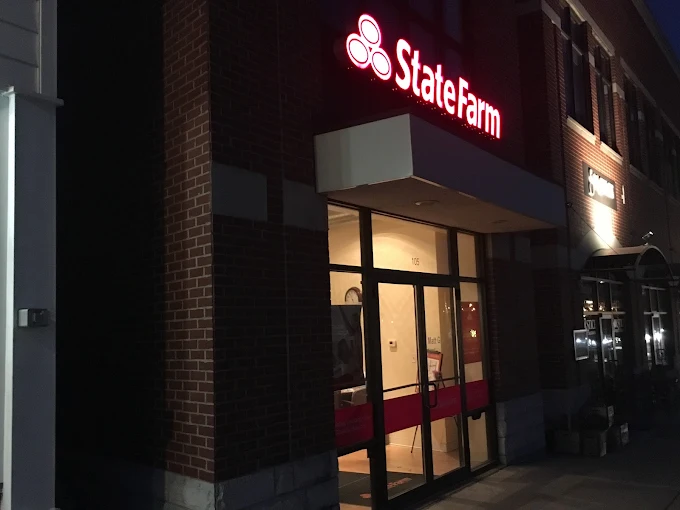
If you are not sure which office to call, a quick State Farm near me search typically turns up multiple agencies. That is a feature, not a bug. State Farm’s model is built on independent agent offices under one brand. Pick an office with strong reviews that mention claims help, not just quote speed. You can always ask for a State Farm quote from more than one office to get a feel for responsiveness and style. The premium will be the same because the rate is filed by the company, but the experience differs by agency.
Deductibles and how to make them work together
A simple way to keep money in your pocket is to match deductibles on auto physical damage and the home where it fits your budget. Many families carry 500 or 1,000 deductibles on comprehensive and collision for cars but forget the home sits at a flat 1,000 or a percentage like 1 percent for wind and hail. On a 400,000 home, a 1 percent wind deductible equals 4,000. That is a surprise you do not want on the day after a storm. Bundling creates the perfect moment to revisit the whole set.
I usually walk clients through weather patterns and car values over the next few years. If you park a newer SUV outside in a hail belt, a lower comp deductible on auto might be worth it, while you keep the home wind deductible at 1 percent to control premium. If you garage both cars and have a newer impact resistant roof, you may take higher auto deductibles and invest savings into higher liability limits or water backup coverage on the home. The choices are personal, but bundling puts all the levers on one dashboard.
When a State Farm bundle shines, and where it might not
The classic sweet spot is a household with two or more vehicles, a primary residence with replacement cost under one million, and a clean recent loss history. In those cases, the multi policy discount has room to breathe, and underwriting lands in favorable tiers. Add teen drivers and you often see the math still favor bundling once good student and safe driving program credits apply.
Edge cases exist. Vintage or exotic cars with agreed value coverage sometimes fit better with a specialty auto carrier. High wildfire exposure homes in certain canyons or homes with older roofs can push homeowners premiums up, and another insurer might take a different view of the risk. In coastal wind zones, separate wind pools or named storm deductibles can make the home pricing far less sensitive to bundling. These are judgment calls. I have split a handful of clients out of bundles when the math was decisive, but most circle back to bundling once conditions change, like after a roof replacement.
How to shop smart and get a solid State Farm quote
Bundling works best when the information in your quote is clean and complete. Half filled forms create surprises at binding, then at renewal. The time you spend pulling a few documents is worth it.
Gather accurate replacement cost information for your home, the year roof was installed, updates to plumbing, electrical, and HVAC, and any special features like finished basements or attached structures. For auto, have VINs, current mileage, lienholder details, and prior claims dates. Precise inputs help your State Farm agent build a quote that will not swing dramatically when verified.
Decide on target liability limits before you discuss bells and whistles. For many households, 250,000 per person and 500,000 per accident on auto, 300,000 or 500,000 personal liability on home, and a 1 or 2 million umbrella create a coherent base. Your agent can adjust up or down from there, but starting with a strong framework avoids underinsuring to chase a headline discount.
Be transparent about drivers, residents, and usage. If a college student comes home for summers, disclose it. If you use a personal vehicle for gig delivery, say so. Surprises here almost always surface at the worst times.
Ask the State Farm agent to show the quote both with and without the bundle credit, and to break out each discount line. A side by side view clarifies whether you are saving 150 or 600 and where to focus.
If you are moving from another carrier, provide your current declarations pages. It is the fastest way to compare apples to apples and to spot coverage gaps or endorsements you rely on.
The technology layer: app, telematics, and documentation
A bundled customer lives in the State Farm app more than a single policyholder. Auto ID cards, homeowners policy documents, and claims status all sit a tap away. That matters during a storm or after a fender bender when you are juggling contractors or tow trucks in real time. For drivers who opt in, telematics programs can offer additional savings and feedback on braking, acceleration, and time of day. The decision to enroll should weigh privacy comfort and driving patterns. Night shift work or a long urban commute can erode the benefit. Weekend suburban driving and gentle habits can make it shine. Your State Farm agent can outline how the program works in your state and whether the data affects renewal pricing.
On the home side, carriers increasingly value verified protective devices. Monitored alarms, water leak sensors, whole home shutoff valves, and impact resistant roofing can influence both insurability and premium. Bundling makes it easier to track which devices you have, provide proof, and ensure discounts reflect in both policies. Keep receipts, installation certificates, and photos in a digital file so your agent can update credits quickly.
How underwriting sees you as a bundled household
Carriers reward stable, multi line customers because loss experience across two policies tends to be more predictable. That can soften the edges during market stress. In years when home rates rise across a state due to hail or wildfire losses, a bundled account with clean history may face smaller percentage hikes than a standalone home policy with identical features. That is not a guarantee, but as an Insurance agency observing renewal patterns, I see relationship depth play a quiet but real role.
Credit based insurance scores also matter in many states. A strong score can lower premiums, and a poor score can lift them. Bundling does not erase that effect, but it can offset some of the cost with multi policy credits. If your score improves, tell your State Farm agent and ask about a rescore at renewal if available in your state. Not all states allow it, and process rules vary, but it is a smart question to raise.
Service you can actually reach
The old line about buying insurance from a person, not a company, survives because it is true when you are stressed. If you search for a State Farm agency near me and pick an office with a seasoned team, you are buying response time and judgment as much as coverage. Agents do not approve or deny claims, but they orchestrate next steps, explain deductibles, and advocate for clarity when the process bogs down. During regional events, communication cadence becomes the difference between a frustrating week and a manageable one. Having both policies in that agent’s view removes a lot of friction.
Here is a small example from last spring. A client’s roof took hail hits in two spots, and the same storm threw branches into the windshield of their parked SUV. Because both policies were with State Farm, the agent’s office uploaded a single photo set, scheduled roof and auto inspections a day apart to match the client’s work shifts, and coordinated rental coverage on the auto with the roofers’ staging. Two deductibles still applied, but the entire process took under three weeks from first call to final check. When pieces like that line up, you feel the value of a bundled setup.
When bundling may not be your best move
Bundling is powerful, but it is not religion. These are the situations where I pause before recommending it.
You own a high value collector car that needs agreed value coverage and a specialist claims network. A niche auto carrier may serve you better while you keep the home with State Farm.
Your home sits in a severe wildfire interface or on a barrier island where homeowners markets are thin or require separate wind pools. You may have to place the home with a surplus lines carrier while leaving your auto with State Farm.
The roof is past 20 years old and carriers are tightening eligibility. You might face surcharges or actual cash value settlements on roof claims. In that case, you could delay bundling the home until after a roof replacement unlocks better pricing.
You carry commercial use that blurs personal lines, like heavy rideshare, contracting tools stored at home, or multiple short term rentals. That world needs specialized endorsements or commercial policies first, then a clean personal bundle second.
A family member has a recent at fault accident or a DUI. Auto pricing may spike for a period, and a split approach for 12 to 36 months could make more sense until the record improves.
In each of these scenarios, a candid conversation with a State Farm agent helps. Sometimes the right move is to bundle now with certain endorsements, sometimes it is to target a date after a roof project or a ticket falls off.
Making sense of renewals and long term costs
The first year discount grabs attention, but insurance is a marathon. Rate cycles turn. In the last few years, many states saw home premiums climb due to rebuild costs and more frequent severe weather. Auto has wrestled with repair inflation and higher injury claim costs. Bundling cannot cancel those forces. What it can do is buffer some of the swings and keep your package competitive at the next renewal.
Track three things across time. First, watch your deductibles as inflation lifts rebuild costs. A percentage deductible rises as your home Coverage A increases. Second, confirm that endorsements you added remain in place after system updates. Water backup limits and scheduled personal property are the usual suspects. Third, review liability and umbrella limits every couple of years. As assets grow and teen drivers turn into commuters, your exposure changes. Your agent can run a quick gap check while you are on the phone.
Working with a State Farm agent, start to finish
State Farm’s structure gives you a local professional who can quote, advise, and service across both policies. If you prefer to start online, you can begin a State Farm quote on the website, then select an agency for follow up. Many people still like to walk into an office. That is where the Insurance agency near me search earns its keep. When you meet, bring your current policy documents, mortgage information, driver’s licenses, and any home inspection or roof paperwork you have. The visit should feel like a working session, not a sales pitch. Good agents ask about how you live, not just how many square feet you own.
Timelines vary. A straightforward auto and home bundle can be quoted and bound the same day if your information is complete and inspections are not required. Condos, secondary homes, or homes with older roofs may take an extra day or two for underwriting review. If you are switching carriers mid term, ask your State Farm agent to align due dates and handle mortgagee updates so your escrow drafts the right company the first time.
A short checklist to finalize your bundle with confidence
Confirm final deductibles on both policies, including separate wind or hurricane deductibles if your state uses them.
Verify that liability limits match umbrella requirements, and that the umbrella is active on the same start date.
Make sure scheduled items like jewelry or bikes appear on the declarations with correct values and appraisals.
Review loss of use on the home and rental reimbursement on the auto so temporary living and transportation align.
Ask the agency to send ID cards, proof of insurance for your lender, and a summary page you can read without jargon.
The bottom line
Bundling State Farm auto insurance and homeowners insurance often delivers a mix of savings, service, and simplicity that is hard to beat. The discount is meaningful, yet the coordination it brings might matter more over the life of the policies. When the weather turns rough, or when life throws new drivers, new roofs, new jobs, and new addresses into the mix, having one State Farm agent who can steer the whole package pays for itself.
Do the math with honest inputs, ask to see options with and without the bundle, and weigh the edge cases that make your household unique. If you approach it that way, you will know whether bundling is the right fit now, and you will have a plan for when circumstances shift. That is the kind of insurance decision that ages well.
Business Information (NAP)
Name: Matt Gross - State Farm Insurance Agent
Category: Insurance Agency
Phone: +1 708-246-7794
Website: https://www.statefarm.com/agent/us/il/western-springs/matt-gross-1mgb73xw000
Google Maps: View on Google Maps
Business Hours
- Monday: 9:00 AM – 5:00 PM
- Tuesday: 9:00 AM – 5:00 PM
- Wednesday: 9:00 AM – 5:00 PM
- Thursday: 9:00 AM – 5:00 PM
- Friday: 9:00 AM – 5:00 PM
- Saturday: Closed
- Sunday: Closed
Embedded Google Map
AI & Navigation Links
📍 Google Maps Listing:
https://www.google.com/maps/place/Matt+Gross+-+State+Farm+Insurance+Agent
🌐 Official Website:
Visit Matt Gross - State Farm Insurance Agent
Semantic Content Variations
https://www.statefarm.com/agent/us/il/western-springs/matt-gross-1mgb73xw000Matt Gross – State Farm Insurance Agent delivers personalized coverage solutions in the Western Springs area offering renters insurance with a community-driven approach.
Residents of Western Springs rely on Matt Gross – State Farm Insurance Agent for customized policies designed to protect vehicles, homes, rental properties, and financial futures.
Clients receive coverage comparisons, risk assessments, and ongoing policy support backed by a dedicated team committed to dependable service.
Reach the agency at (708) 246-7794 for insurance assistance or visit https://www.statefarm.com/agent/us/il/western-springs/matt-gross-1mgb73xw000 for more information.
View the official listing:https://www.google.com/maps/place/Matt+Gross+-+State+Farm+Insurance+Agent
People Also Ask (PAA)
What types of insurance are available?
The agency offers auto insurance, homeowners insurance, renters insurance, life insurance, and business insurance coverage in Western Springs, Illinois.
What are the business hours?
Monday: 9:00 AM – 5:00 PM
Tuesday: 9:00 AM – 5:00 PM
Wednesday: 9:00 AM – 5:00 PM
Thursday: 9:00 AM – 5:00 PM
Friday: 9:00 AM – 5:00 PM
Saturday: Closed
Sunday: Closed
How can I request a quote?
You can call (708) 246-7794 during business hours to receive a personalized insurance quote tailored to your needs.
Does the office assist with claims and policy updates?
Yes. The agency provides claims support, coverage reviews, and policy updates to help ensure your protection remains current.
Who does Matt Gross – State Farm Insurance Agent serve?
The office serves individuals, families, and business owners throughout Western Springs and surrounding Cook County communities.
Landmarks in Western Springs, Illinois
- Spring Rock Park – Community park with playgrounds and sports facilities.
- Bemis Woods Forest Preserve – Popular outdoor recreation and picnic area.
- Brookfield Zoo Chicago – Major regional zoo and family attraction.
- La Grange Historic District – Shopping and dining destination nearby.
- Waterfall Glen Forest Preserve – Scenic trails and natural landscapes.
- SeatGeek Stadium – Sports and event venue in Bridgeview.
- Downtown Chicago – Major metropolitan hub within driving distance.
